Standard operating procedures only help if people can use them in real work. This guide shows how to choose the right processes, map the actual steps, write clear instructions, test them with staff and keep them current without creating bureaucracy.
Broad aims like “grow sales” or “be more efficient” rarely help day to day. The useful job is to turn ambition into a small number of measurable 12-month goals, assign owners, and review progress regularly enough to adjust course before the year drifts.
A small UK company usually starts with the insurance that is required by law or needed to protect the business from the biggest realistic losses. The right mix depends on whether you employ staff, visit customers, hold stock, store data, use vehicles or work to contract terms.
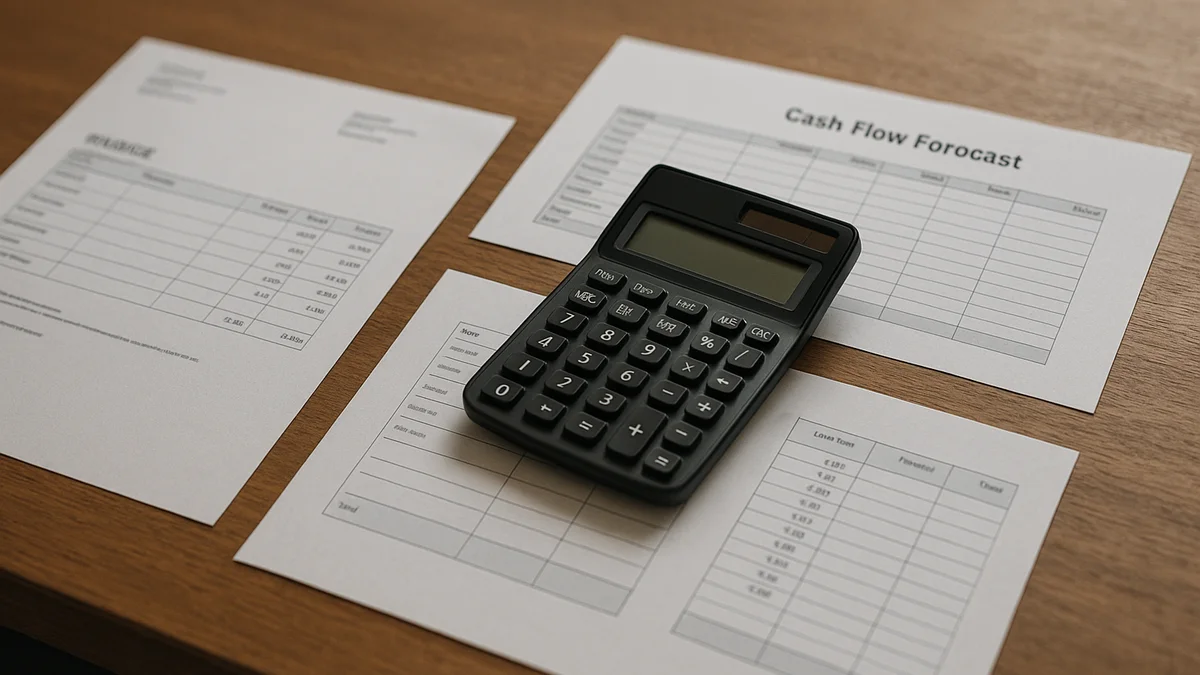
Cash flow problems can hit even profitable small businesses when customers pay late, stock ties up money or bills arrive before income. This guide explains practical ways to improve timing, control outgoings and decide when borrowing is worth considering.
Choosing between sole trader and limited company status is not just a paperwork decision. For a new UK business, the right structure depends on risk, tax, admin and how quickly you expect to grow.
Choosing between sole trader, partnership and limited company affects tax, liability, paperwork and how your business can grow. Here is a practical way to compare the options and decide what fits now.
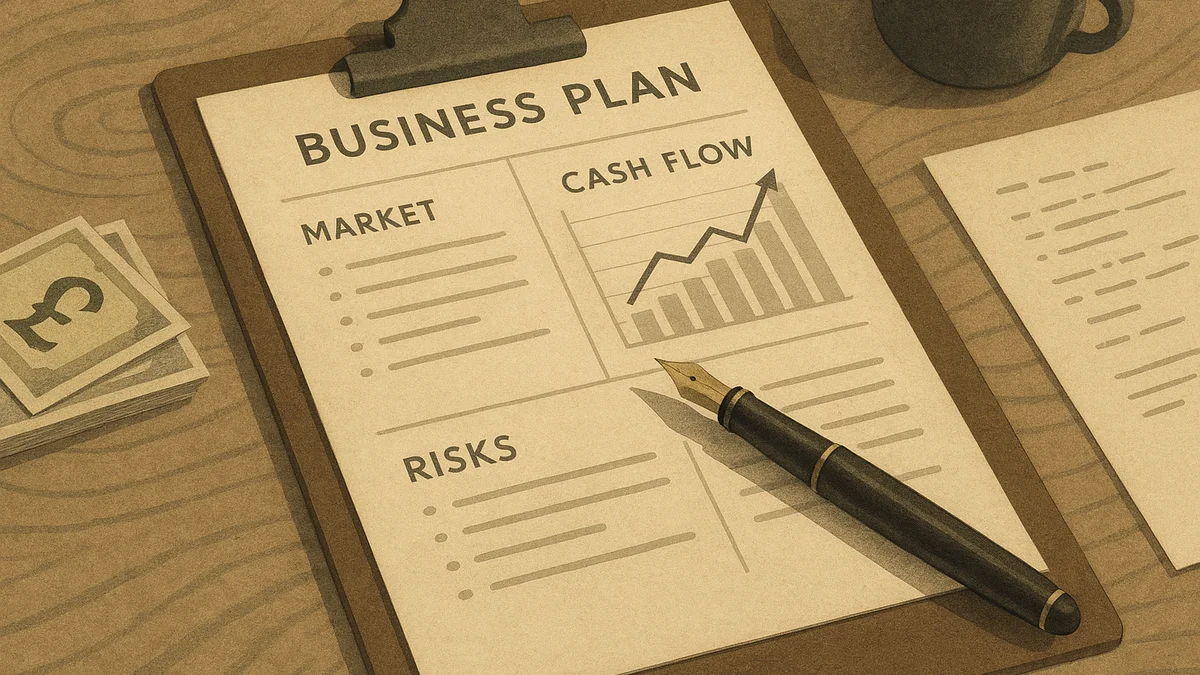
A useful UK business plan is not a box-ticking exercise. It should explain what you sell, who will buy it, how you will make money, how the business will run, and what could go wrong — with enough detail for the reader to make a decision.
A good small-company business plan should help you decide whether the business can work, show others how it will make money and set out the main risks without becoming a document that never gets used. Here is how to keep it clear, credible and practical.
A practical guide to buying a business in the UK: where to find listings, how to read the figures, which questions to ask, and how to spot red flags before you commit.
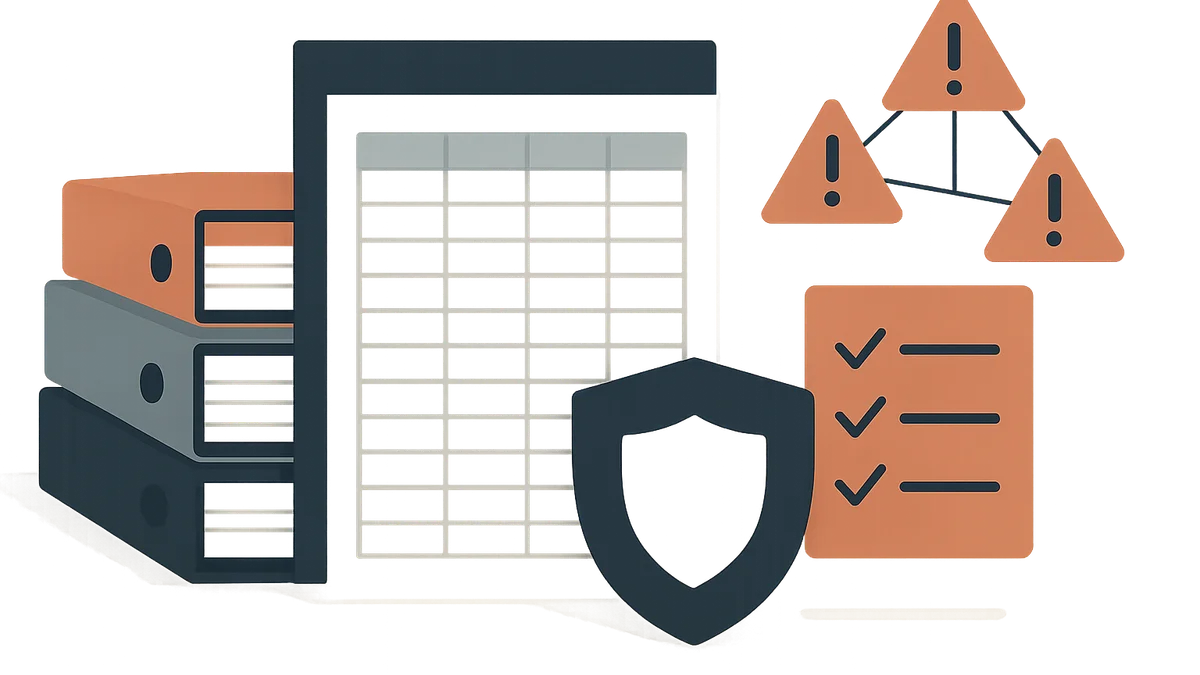
A risk register only helps if it leads to decisions. This guide explains what to include, how to score risks simply, who should own them and how to keep the register up to date without turning it into paperwork for its own sake.
A practical business plan should explain what you are selling, who it is for, how you will reach customers, what it will cost, and how you will track progress. This guide shows how to keep it focused, realistic and useful.