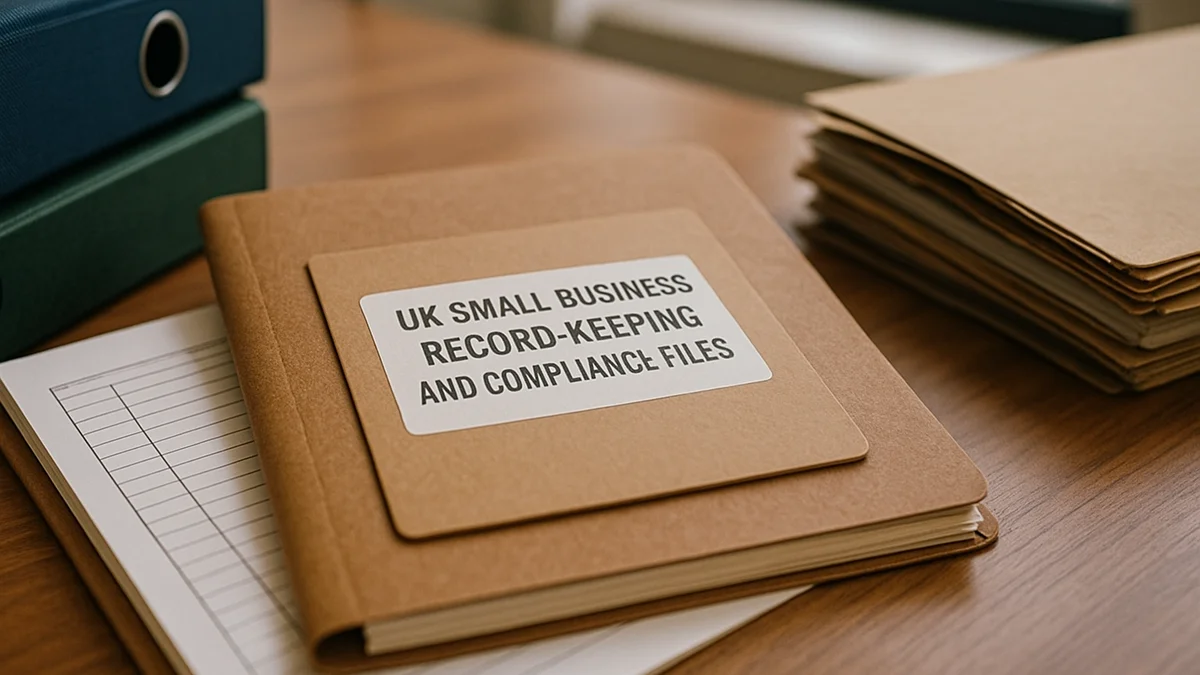
UK small businesses often keep too little, or far too much. The sensible answer is to keep the records that prove sales, costs, payroll, tax positions, contracts and compliance, then store them in a system you can actually use.
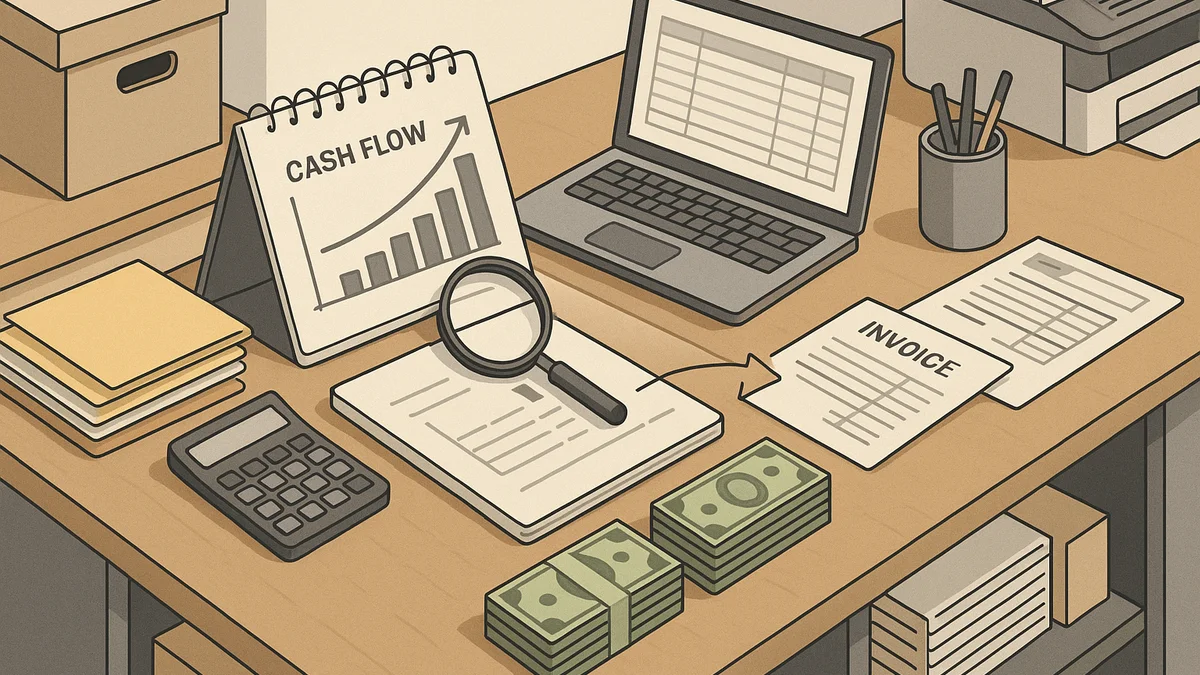
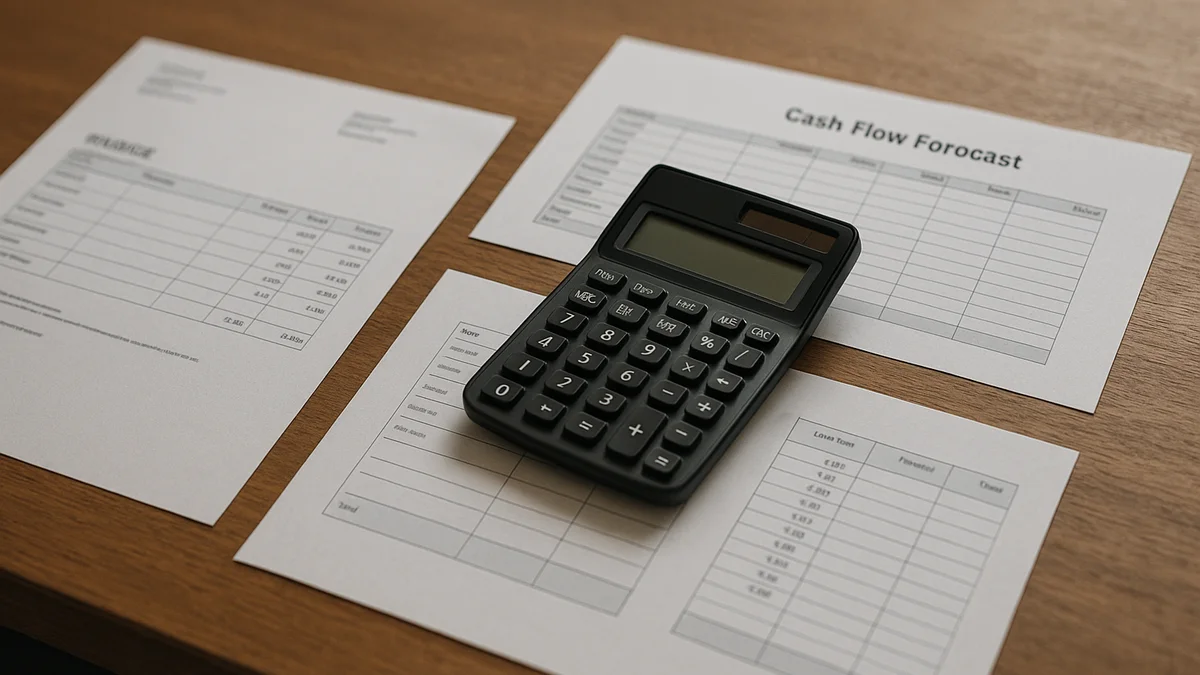
Slow months can expose weak cash flow even in healthy businesses. The answer is usually not blunt cuts, but better timing: forecast early, collect money faster, protect essential spending and use finance only when you know the size of the gap.
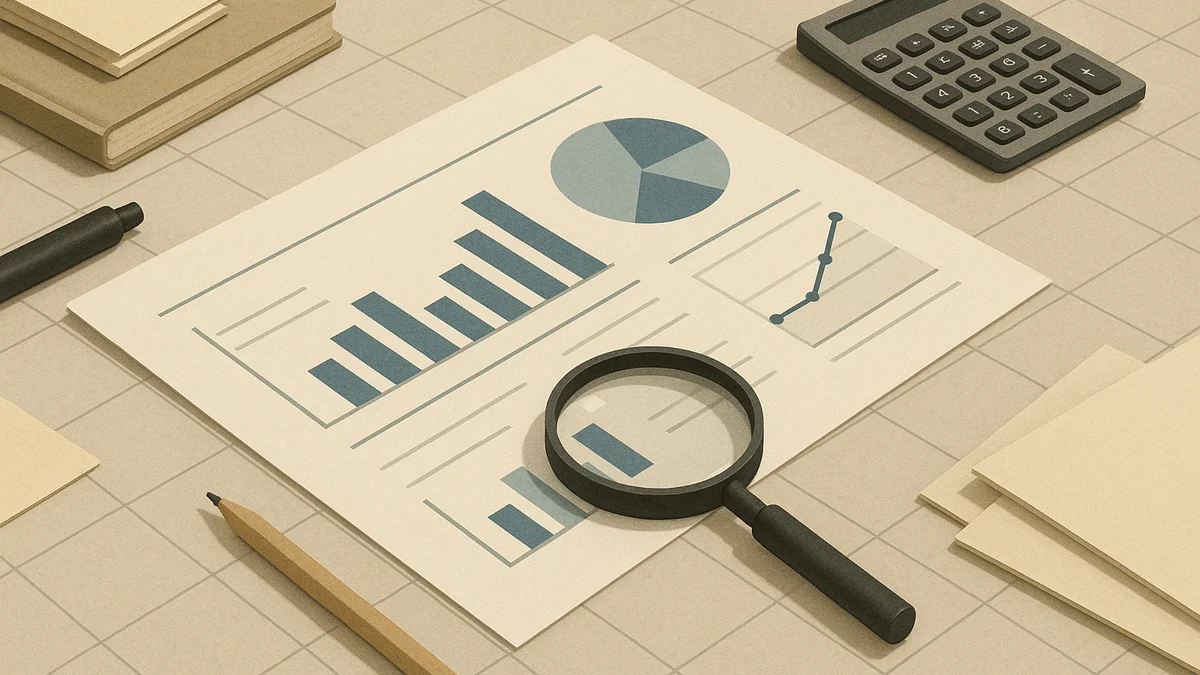
A business can look busy, generate sales and still fail to make real money. Here is a practical way to judge profitability using profit and loss, gross margin, overheads, cash flow and owner time without being misled by the bank balance.
Too many small businesses track numbers that fill a dashboard but do not change decisions. The better approach is to choose a small set of KPIs that link to your goals, can be reviewed regularly and tell you whether day-to-day actions are working.
If costs are rising but your team is already stretched, the answer is usually not a blunt headcount cut. A better approach is to map spend, remove waste, renegotiate recurring costs, improve processes and use capacity more efficiently while protecting service and morale.
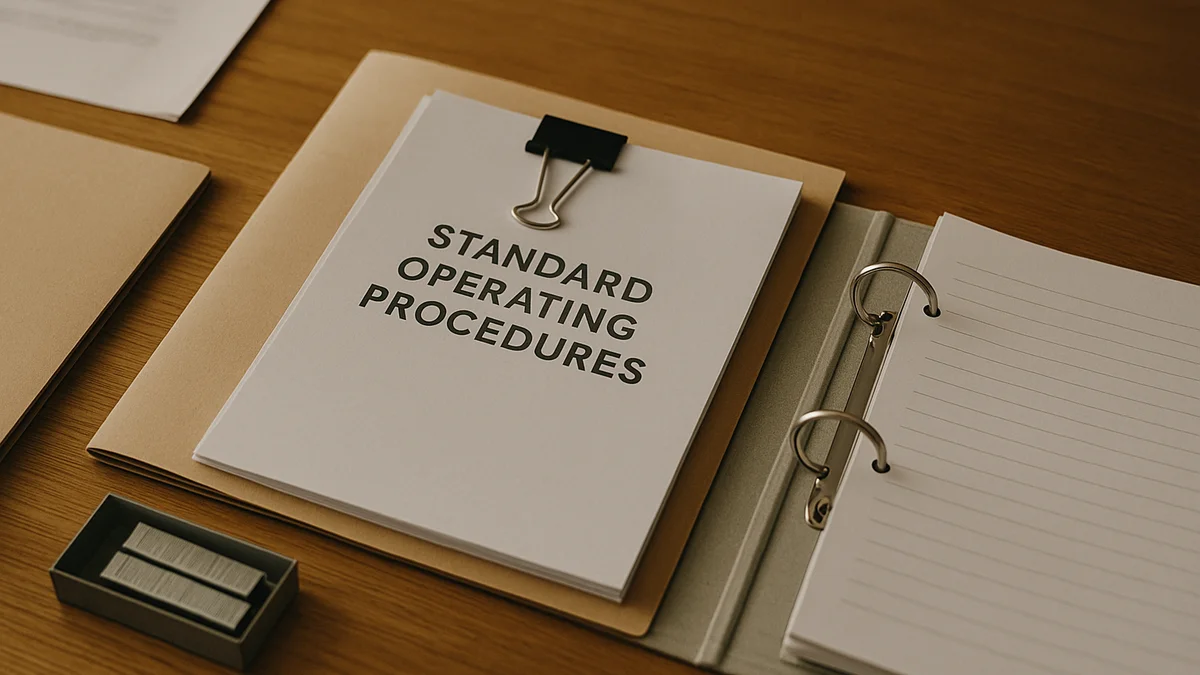
Standard operating procedures only help if people can use them in real work. This guide shows how to choose the right processes, map the actual steps, write clear instructions, test them with staff and keep them current without creating bureaucracy.
Broad aims like “grow sales” or “be more efficient” rarely help day to day. The useful job is to turn ambition into a small number of measurable 12-month goals, assign owners, and review progress regularly enough to adjust course before the year drifts.
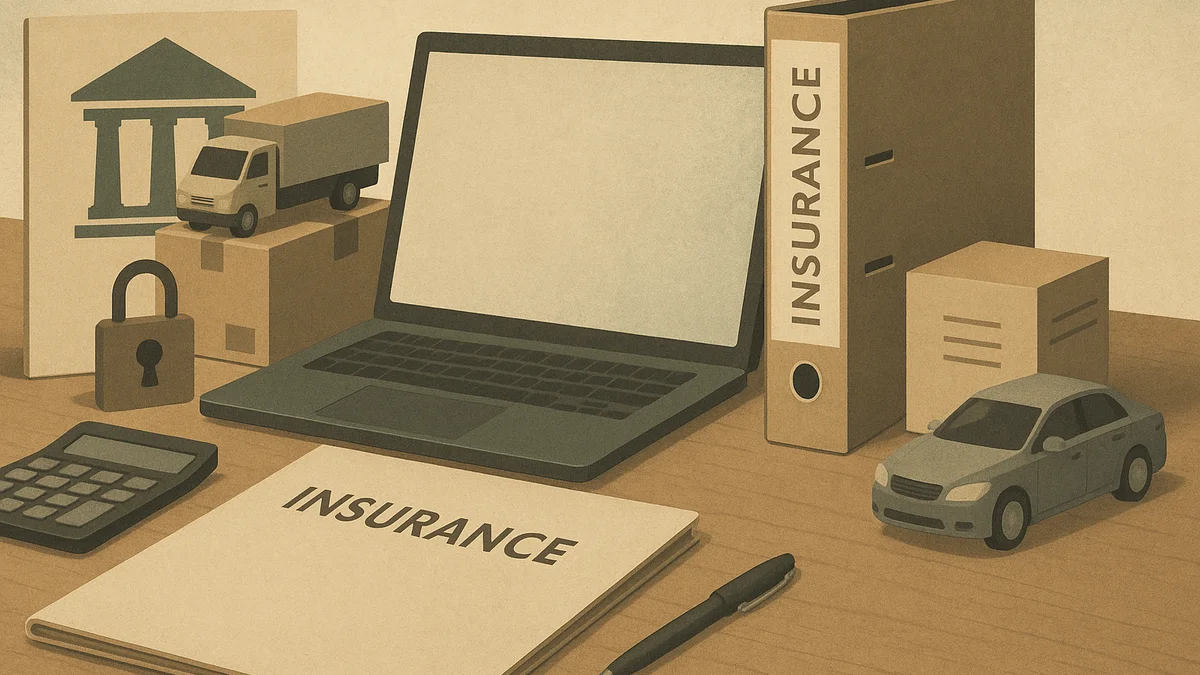
A small UK company usually starts with the insurance that is required by law or needed to protect the business from the biggest realistic losses. The right mix depends on whether you employ staff, visit customers, hold stock, store data, use vehicles or work to contract terms.
Cash flow problems can hit even profitable small businesses when customers pay late, stock ties up money or bills arrive before income. This guide explains practical ways to improve timing, control outgoings and decide when borrowing is worth considering.
Choosing between sole trader and limited company status is not just a paperwork decision. For a new UK business, the right structure depends on risk, tax, admin and how quickly you expect to grow.
Choosing between sole trader, partnership and limited company affects tax, liability, paperwork and how your business can grow. Here is a practical way to compare the options and decide what fits now.
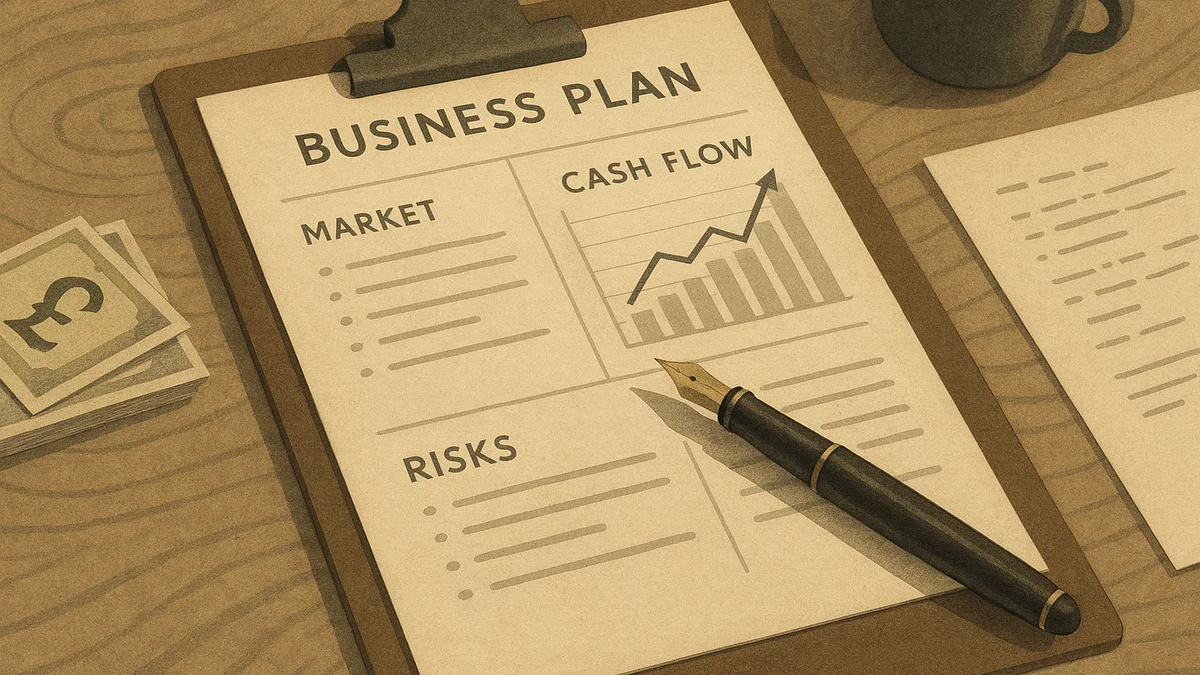
A useful UK business plan is not a box-ticking exercise. It should explain what you sell, who will buy it, how you will make money, how the business will run, and what could go wrong — with enough detail for the reader to make a decision.